Source breathable cotton t shirt and shorts set for Fitness, Leisure, Sports
Compare 30 options for a breathable cotton t shirt and shorts set from verified suppliers. These loose-fit, single-item sets feature custom logos and are available in various colors for summer and spring activities; compare the available evidence and request quotations based on your requirements.
Key considerations
Products List


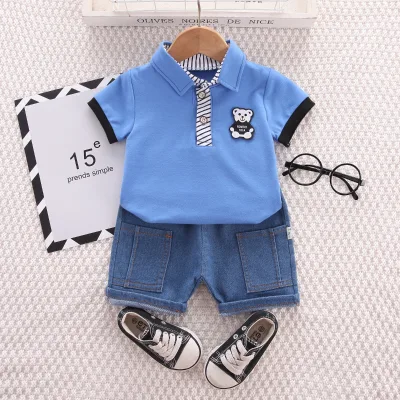


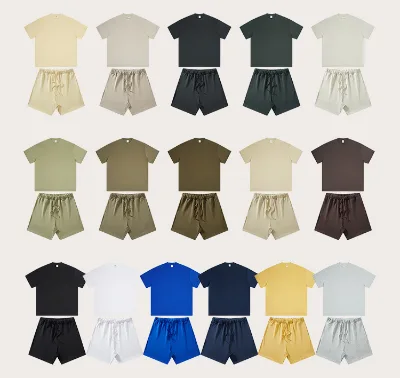


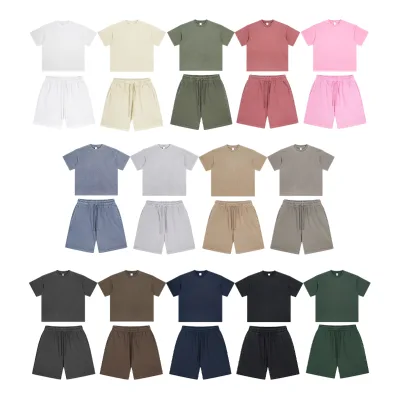

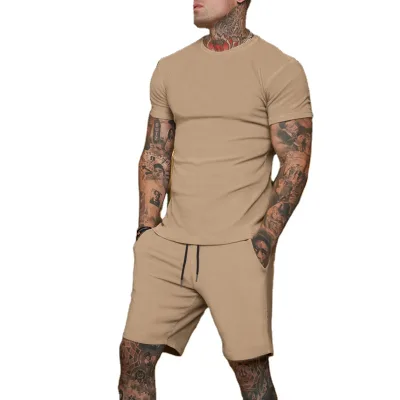


Comprehensive Sourcing Guide
Breathable Cotton T Shirt and Shorts Set Sourcing Guide
Sourcing breathable cotton t-shirt and shorts sets requires a nuanced understanding of fabric composition, seasonal performance, and customization capabilities. Buyers must distinguish between pure cotton blends and synthetic mixes, as the latter often enhance breathability and durability for active use. The observed market signals indicate a strong presence of OEM services, allowing for tailored logo printing and specific design adjustments. This flexibility is crucial for brands seeking to align product aesthetics with their identity while maintaining functional integrity.
The procurement landscape features a wide range of price points and minimum order quantities, reflecting diverse supplier tiers and production scales. High-confidence data reveals that customization is widely available, with options for silk screen and digital printing methods. Buyers should evaluate these technical capabilities against their volume requirements and design complexity. Understanding the interplay between material weight, fit type, and seasonal suitability ensures that the final product meets both comfort expectations and performance standards for the target demographic.
Product Scope and Observed Listing Signals
The current market offers a variety of styles, including loose-fit sets designed for summer and spring/autumn wear. Observed listings highlight features such as elastic waists, racerback straps, and specific fabric weights like 180 grams, which influence the garment’s drape and breathability. These attributes suggest a focus on comfort and ease of movement, catering to fitness and leisure activities. The presence of unisex designs and adult age groups indicates a broad target audience, while specific color options and pattern types allow for diverse aesthetic choices.
Customization is a dominant theme, with many suppliers offering customized logo printing and label adjustments. The supply type is predominantly OEM service, enabling buyers to create unique products that stand out in competitive markets. Packaging options vary from individual polybags to cardboard boxes and pallets, impacting logistics and storage efficiency. Buyers should carefully review these signals to ensure that the supplier’s capabilities align with their branding and distribution needs, particularly when considering the single gross weight and package dimensions for shipping calculations.
Technical Specifications to Verify
Verifying fabric composition is critical, as materials range from 100% cotton to polyester blends or custom fabrics. Buyers must confirm the exact material type to ensure it meets breathability and durability requirements. The observed fabric weight of 180 grams provides a baseline for quality assessment, but variations may exist across different suppliers. Additionally, technical details such as automated cutting and seamed construction affect the garment’s longevity and finish. These specifications should be validated through sample requests to ensure consistency with stated attributes.
Fit and style parameters also require close attention, with options including loose fits, short sleeves, and various closure types. The model numbers and product types, such as hoody or polo styles, indicate diverse design possibilities. Buyers should verify sleeve length, waist type, and overall fit to ensure the product aligns with their size charts and customer expectations. Confirming these technical details helps prevent discrepancies between samples and bulk production, ensuring that the final product meets the intended functional and aesthetic standards.
Compliance and Safety Documentation
While specific certification statuses are not explicitly detailed in the observed data, buyers must ensure that all products comply with relevant safety and quality standards. This includes verifying that materials are free from harmful substances and that construction methods meet industry safety guidelines. Documentation such as material safety data sheets and compliance certificates should be requested from suppliers to confirm adherence to these standards. Buyers should also check for any region-specific regulations that may apply to their target markets.
Quality control processes are essential for maintaining product integrity, particularly when dealing with customized orders. Buyers should inquire about the supplier’s quality assurance protocols, including inspection procedures and defect rates. Ensuring that the supplier follows normal specifications and maintains consistent production quality is vital for minimizing returns and customer complaints. Collaborating with suppliers who prioritize compliance and transparency helps build trust and ensures that the final products meet both legal and ethical standards.
Cost Drivers and Commercial Terms
Costs are influenced by several factors, including material selection, customization complexity, and order volume. The observed price range of 3.09 to 39.38 USD reflects the diversity in product quality and features. Buyers should consider how factors like fabric weight, printing methods, and packaging options impact the final cost. Understanding these drivers allows for more accurate budgeting and negotiation, ensuring that the procurement strategy aligns with financial goals.
Commercial terms such as minimum order quantities and lead times also play a significant role in procurement planning. The observed MOQ range of 1 to 1000 units offers flexibility for different business sizes, while sample order lead times of seven days support rapid prototyping. Buyers should negotiate terms that balance cost efficiency with production speed, ensuring that inventory levels are maintained without excessive stockpiling. Clear communication regarding payment terms and shipping arrangements further enhances the procurement process.
Supplier Qualification and Quality Control
Evaluating supplier qualifications is crucial for ensuring reliable production and consistent quality. Buyers should assess the supplier’s experience in OEM services, their production capacity, and their ability to handle customized orders. Verifying the supplier’s location, such as Guangdong or Fujian in China, can provide insights into their logistical advantages and supply chain efficiency. Additionally, checking for any relevant industry certifications or awards can further validate the supplier’s credibility.
Quality control measures should be integrated into the procurement process to minimize risks. Buyers should request detailed quality control plans, including inspection points and acceptance criteria. Collaborating with suppliers who have robust quality assurance systems helps ensure that products meet specified standards. Regular communication and feedback loops during production can also help address any issues promptly, ensuring that the final products align with buyer expectations and maintain high quality.
Long-Term Procurement Checks
Establishing long-term relationships with suppliers requires ongoing monitoring and evaluation. Buyers should regularly review supplier performance metrics, such as delivery times, product quality, and responsiveness to issues. Continuous feedback and collaboration help strengthen partnerships and improve overall procurement efficiency. Additionally, staying informed about market trends and technological advancements allows buyers to adapt their strategies and maintain a competitive edge.
Risk management is essential for long-term success, involving the identification and mitigation of potential supply chain disruptions. Buyers should diversify their supplier base and develop contingency plans to address unforeseen challenges. Regular audits and assessments of supplier practices ensure compliance with ethical and environmental standards. By prioritizing transparency and accountability, buyers can build resilient supply chains that support sustainable growth and operational excellence.
FAQs
Can I customize the logo on the track suit?
Yes, customized logo printing is available for this product. You can choose from silk screen or digital print methods to apply your design. The minimum order quantity for customization is 50 sets, allowing small batches to proceed with branding.
What is the lead time for sample orders?
Support is provided for a 7-day sample order lead time. This allows buyers to verify product quality and fit before committing to larger orders. The single item gross weight is 0.600kg, ensuring manageable shipping for samples.
Which fabric materials are used for the set?
The material options include 100% cotton or a cotton polyester blend with custom fabric availability. The fabric weight is 180 grams, providing a breathable feel suitable for summer or spring and autumn seasons. This ensures comfort during fitness activities.
What are the available packaging options?
Packaging includes single items in polybags or cartons with cardboard boxes and pallets for bulk shipping. The single package size measures 35 by 30 by 1 cm. This flexible packing supports both individual retail needs and large-scale distribution requirements.
How many pieces are included in the set?
The product is a 2-piece set designed for adults. It features a loose fit type with an elastic waist closure. The style is categorized as sport or leisure, making it versatile for various casual and active wear scenarios.
Where is the product manufactured?
The product originates from China, specifically from regions like Guangdong and Fujian. This location supports the OEM service supply type. Buyers can expect standard specifications and automated cutting techniques in the manufacturing process.
What is the minimum order quantity for customization?
The customize minimum order quantity is 50 sets. This threshold applies when requesting specific customizations like logos or unique fabric blends. Standard orders may start from 1 set, but customization requires meeting the 50-set baseline.